

Why used car dealers are losing trust when selling used EVs (and how to change that)
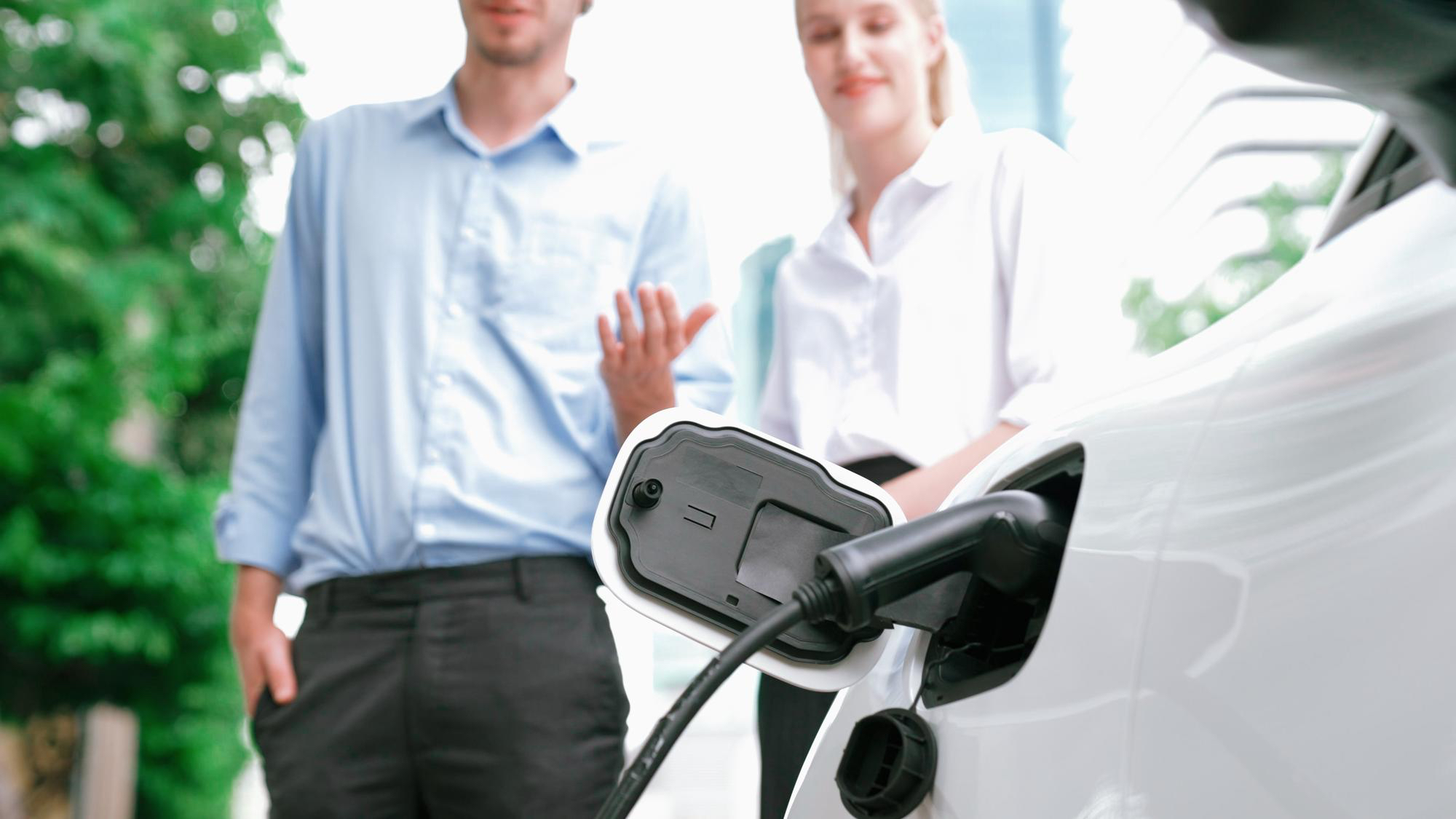
The used car market is undergoing a fundamental transformation. While the sale of conventional diesel and petrol cars follows rules that have been established for decades, when it comes to electric vehicles (EVs), dealerships keep hitting an invisible wall. That wall is the loss of customer trust.
Although interest in alternative drivetrains on the secondary market is growing, the average time a used electric car "sits on the lot" (the so-called days-to-turn) is often significantly longer than for conventional vehicles. Why do customers walk away from dealerships full of doubt, and how can car dealers turn this disadvantage to their favour?
Fear of the Unknown: When the Classic Inspection Is No Longer Enough
The average customer is extremely cautious when buying a second-hand car. Over the years, they have learned to check paint thickness, inspect the chassis, look for signs of accidents, and verify mileage history through available registers.
But the moment an electric car stands in front of them, all these proven routines suddenly lose their weight. The customer knows the electric motor is virtually maintenance-free and the brakes are as good as new thanks to regenerative braking. Their biggest fear points to a single component: the traction battery.
If the dealership cannot answer on the spot what condition the vehicle's battery is really in, an alarm goes off in the buyer's head immediately: "What if that battery is due for replacement and I'll have to invest another 10,000 euros?" The result? The customer would rather abandon the purchase, and the dealer is left with an expensive, hard-to-move vehicle in stock.
Three Main Reasons Why Dealers Lose Credibility
1. Arguing with the "Guess-o-meter" on the Dashboard
Many salespeople at dealerships still do not know how to sell electric cars properly. When a customer asks about the battery's condition, the salesperson sits them in the car, switches on the ignition, and points to the display showing a 100% charge (SoC). The current charge level has nothing to do with the overall health of the cells (SoH). More educated customers see through this deception instantly, and in their eyes the dealership loses all professionalism.
2. Lack of Legal Protection and Warranties
If the gearbox fails in a conventional car, the repair costs hundreds or low thousands of euros and can often be resolved under hidden-defect rules. Battery failure or extreme degradation, however, is an economic nightmare for the average dealership. Since dealers themselves do not know the real condition of the vehicle they are buying in, they prefer to keep their hands off any battery warranties. For the buyer, that is a clear signal that the dealer does not trust the car themselves.
3. Missing Independent Data Breakdown
For a long time, the used car market lacked an independent "referee" in the field of e-mobility. If the certificate of a car's condition is issued by the very dealership selling it, the customer perceives it as a conflict of interest.
How to Change It: Turn Distrust into Your Biggest Competitive Advantage
Solving this problem is neither complicated nor financially crippling. On the contrary, for progressive dealerships it represents an enormous opportunity to dominate the growing used EV market. The key is transparency and instant certification.
Step 1: Introduce Express Diagnostics at Buy-in
Instead of risky "blind" purchases, every modern dealership should integrate an express battery test into its process. Using certified API solutions and a connection via the OBD port, a technician can determine the real battery health (SoH) of the vehicle being bought in within just 3 minutes. That way, the dealership does not risk buying a technological wreck.
Step 2: Present an Independent Certificate Right on the Windscreen
If you attach an independent, internationally recognised certificate to every advertised electric car — one that reads, for example, "Battery health: 96%" — the client's buying psychology changes instantly. Fear is replaced by rational fact. The customer no longer guesses; they see in black and white what they are buying.
Step 3: Speed Up Vehicle Rotation on the Lot (Days-to-Turn)
Data from Western markets clearly show that electric cars with an independent battery certificate sell 30% to 50% faster than vehicles without one. What is more, transparency eliminates endless haggling over discounts, protecting the dealership's margin.
The Verdict for Dealers
Dealerships are not losing trust because people do not want electric cars. They are losing it because they are selling customers uncertainty. The dealer who is first to throw away the old sales pitches and replace them with exact, independent data on battery condition will earn the status of a technology leader — one that people will come to with confidence and without fear.