When people talk about innovation at a car dealership, most imagine a more modern website, better car photos, or investments in online marketing. Very few see innovation in the technical inspection process itself. The reality, however, is that the biggest profits today come from transparency – especially in the rapidly growing segment of used electric vehicles (EVs).
In this case study, we look at a real-world model of a mid-sized dealership network in the Central European region. The company was struggling with long selling times for electric vehicles at its branches and with constant pressure from customers to lower prices.
They decided on a radical step: they integrated independent 3-minute battery diagnostics and certification as a mandatory standard for every EV bought in and sold. The results surprised even the management itself.
The starting point: Long waits on the lot and vanishing margins
Before the project launched, the used vehicle sales department reported the following average figures for electric vehicles:
Days-to-Turn (time on the lot): An electric vehicle sat at a branch for an average of 58 days, while conventional diesel and petrol cars sold within 32 days. Every extra day meant dead capital and vehicle holding costs.
Price pressure: As many as 82 % of EV prospects demanded a substantial discount (on average 1,200 € to 1,500 €) at the very first viewing, arguing: "What if the battery is worn out and I have to replace it?" Salespeople had no argument to counter this fear, so they often approved the discounts at the expense of their own margin.
Implementing the solution: Data instead of sales talk
The dealership overhauled its process from the ground up and introduced three simple rules:
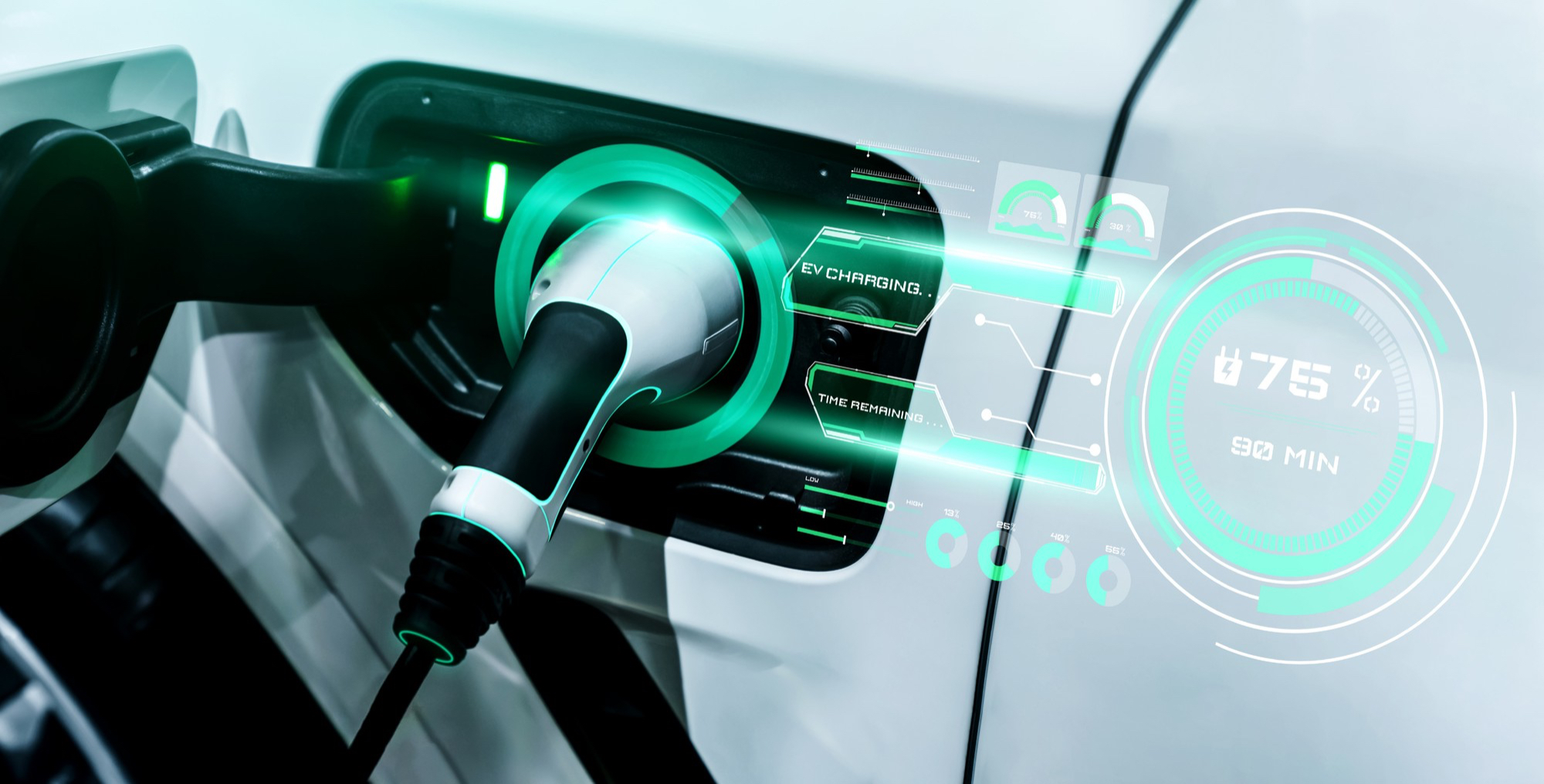
Diagnostics right at buy-in: Every EV being bought in underwent an express 3-minute battery test via the OBD port. The buyer immediately saw the battery's real State of Health (SoH). The dealership refused to buy cars with damaged batteries, completely eliminating the risk of expensive future warranty claims.
A certificate on the windscreen: As soon as a car passed the pre-sale service, an independent certificate with a clear percentage rating of the battery's condition was printed and placed on the windscreen next to the price tag. The same PDF certificate was attached to the online listing on the website.
Staff training: Salespeople stopped talking about "charged to 100 %" and started explaining to customers the real health of the cells, backed by an independent authority.
Results after 6 months: The numbers don't lie
After six months of full operation, the CFO compared the data with the same period of the previous year. The results showed a brutal business impact:
📈 Net margin increase of 14 %
Because customers had proof in black and white that they were buying a car with a battery at, say, 92 % SoH, salespeople gained a bulletproof argument. The fear of buying a pig in a poke disappeared completely. Customers lost their reason for aggressive discount negotiations. The average margin per electric vehicle sold rose by 14 %, which for an average EV meant net profit hundreds of euros higher on every single vehicle.
⏱️ Selling time (Days-to-Turn) cut from 58 to 24 days
Transparency dramatically accelerated buyers' decision-making. Customers who previously hesitated, toured other dealerships, and consulted mechanics often decided to buy right at the first viewing thanks to the certificate. The time a car spent sitting on the lot and losing value dropped by more than half.
📉 Warranty claims down to zero
Over the entire 6 months, the dealership recorded not a single claim related to battery capacity or performance. The legal department saved dozens of hours of work, and the company saved thousands of euros it previously occasionally had to spend on compensating dissatisfied clients.
The lesson from this case study
This model example clearly proves that battery certification is not an additional cost for dealerships, but a highly profitable investment.
The investment in an express diagnostic test pays for itself with the very first car sold. At a time when the used electric vehicle market is still taking shape, the winners are the dealers who understand that the best marketing tool is not cheap promises, but certified and verifiable technical data.