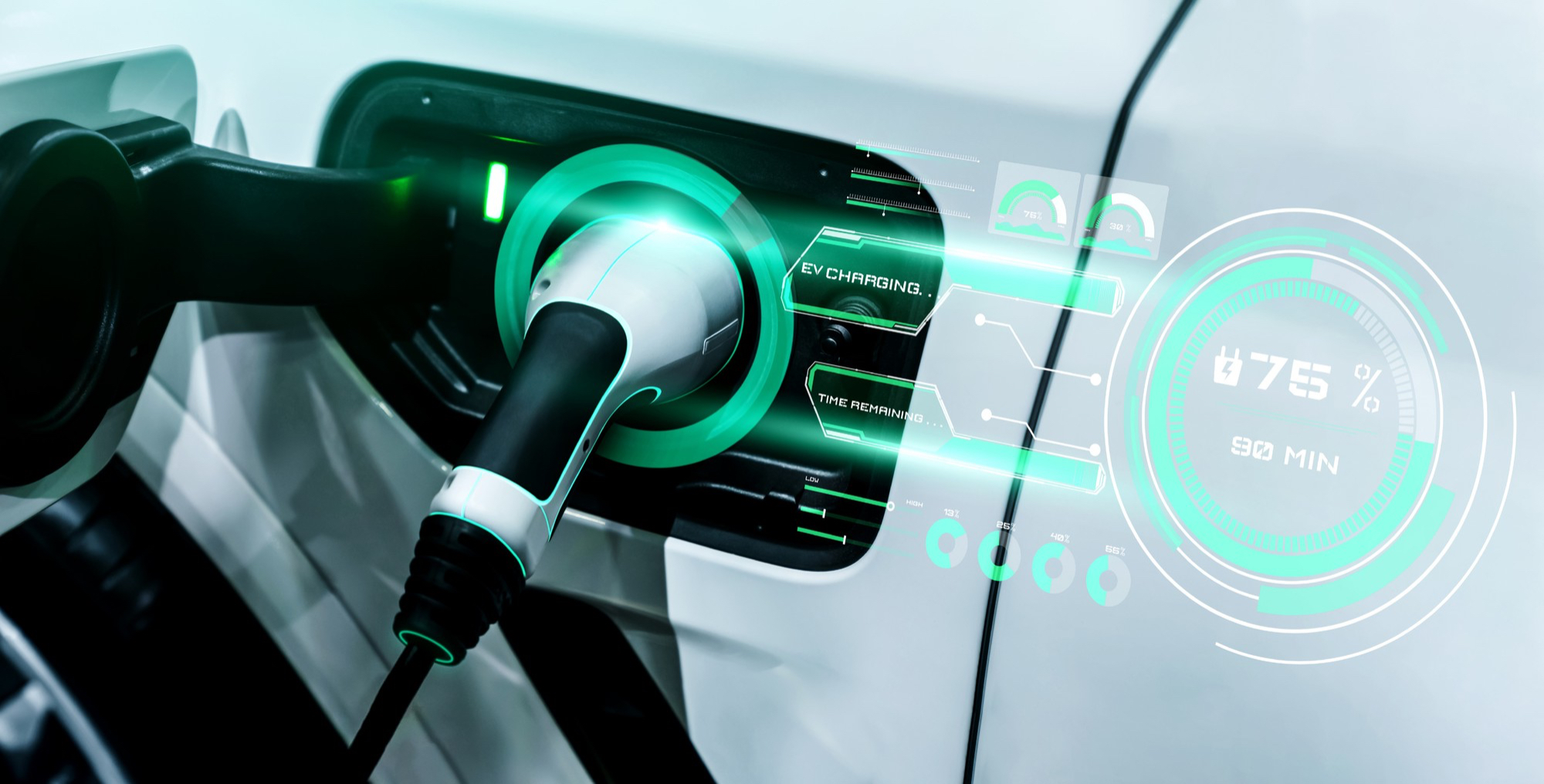
The transition of company fleets to electromobility has long ceased to be a mere matter of corporate image policy (ESG). For fleet managers and chief financial officers (CFOs) of European companies, it has become a hard mathematical reality. Yet the moment company electric vehicles reach the end of their life cycle within the company (typically after 3 to 5 years or 120–150 thousand kilometres), businesses run into a fundamental problem: how to maximise their residual value (Residual Value).
On the secondary market for used vehicles, the old book-value formulas from diesel cars simply do not apply to electric vehicles. The value of a company EV does not rest solely on mileage and bodywork condition. It is determined by a factor that managers often underestimate – the condition and degradation of the traction battery.
So how do you properly manage an electric vehicle fleet before decommissioning, in order to reduce the total cost of ownership (TCO) and sell the cars at the highest possible profit?
The New Residual Value Equation
With conventional combustion cars, calculating residual value is predictable. The market knows what to expect from a five-year-old Passat with 150,000 km. With electric vehicles, however, the used-car market is far more cautious, even outright distrustful.
The reason is simple: The traction battery accounts for up to half the value of a used vehicle. If a company car has a battery in top condition after 4 years, its real value is diametrically different from an identical car whose battery was systematically ruined by employees through improper charging.
If a company sells a fleet of cars without exact data on battery condition, dealers and leasing companies automatically brace for the worst-case scenario. The result is that they offer you an unnecessarily low book price to cover their own risk. Your company thus loses hundreds to thousands of euros on every decommissioned car.
Three Steps to Successful RV Management of Company EVs
If you want to actively manage the residual value of your fleet rather than leave it to chance, you need to put three key processes in place:
1. Introducing a Company "Charging Policy" (EV Policy)
Employee behaviour directly affects battery degradation, and thereby the residual value of company assets. The fleet manager should define clear rules:
Prioritising AC charging: Motivate employees to use slow company or home wallboxes (AC) as much as possible, instead of parking at ultra-fast DC chargers every day.
The 20–80 % rule: Set a software charging limit of 80 % in the cars for everyday driving. Cars sitting in the company car park at 100 % charge over the weekend chemically accelerates the ageing of the cells.
2. Monitoring Battery Health Throughout the Cycle
Do not leave the battery check to the last week before selling the cars. Integrate independent battery diagnostics (SoH – State of Health) into the fleet's regular service inspections (for example, once a year). If a manager sees that one of the vehicles is degrading significantly faster than the others, they can identify the poor habits of a specific driver in time and intervene before the car's value drops irreversibly.
3. Vehicle Certification as a Key Selling Argument
The moment the contract ends and the decommissioned vehicles head for sale (whether through an internal auction for employees, a sale into B2B networks, or to a leasing company), you must accompany every car with an independent battery health certificate.
If the certificate confirms in black and white that your vehicles have a battery health (SoH) of, say, 94 % after 4 years, it means the elimination of any risk for the buyer. Decommissioned fleet vehicles with such a document:
Sell significantly faster, because you remove the buyers' fear.
Justify a higher selling price, which can be 8 % to 12 % higher compared to unverified vehicles without a certificate.
The Strategic Benefit for CFOs and Fleet Managers
Managing the residual value of electric vehicles is no longer about estimates and intuition. It is pure data analytics. For a company operating dozens or hundreds of electric vehicles, a difference of a few percentage points in the residual value of a single vehicle has an enormous impact on the fleet's overall financial result.
Independent battery certification before vehicles are retired from the company fleet transforms the company's position from a passive seller who accepts undervalued offers into a strong partner who dictates the price on the basis of indisputable technical facts. Protecting the battery health of company EVs simply pays off – from the first kilometre to the last.